Today’s highest-performing stores operate as data-driven, experience-led growth engines that blend personalization, storytelling and service in ways digital channels alone cannot replicate.
At CommerceNext, we study how the most innovative retailers are rethinking the in-store experience to drive loyalty, conversion and lifetime value. To dive deeper into the frameworks behind them, join us at the 2026 CommerceNext Growth Show, where leading brands share what’s delivering real ROI.
1. Personalize Offers Using Loyalty Identity & Store Context
Personalization is often discussed as a digital or AI-only capability, but some of the most effective personalization happens inside the store. When a customer’s loyalty is recognized at the point of entry, on the app or at checkout, brands can translate known preferences into immediate, relevant value.
Retailers are increasingly using loyalty data to deliver tailored in-aisle offers, member-only perks and “next best action” prompts that connect prior browsing or purchase behavior to in-store conversion. This might mean surfacing a replenishment reminder, offering a complementary product at a preferred price or highlighting benefits that reinforce why membership matters.
The result is lower decision friction and promotions that feel earned. Just as importantly, this approach helps brands move away from blanket discounting toward margin-smart targeting that rewards their most valuable customers.

This strategy comes to life when loyalty isn’t treated as a backend system, but as a visible, value-driving part of the physical experience. Nike pushes membership benefits directly through its flagship environments, including its House of Innovation, where identity recognition unlocks personalized services, exclusive products and app-connected moments designed to drive both engagement and conversion.
2. Build “Experience Loops” that Create Repeat Visits
Customers still seek in-person moments that feel human, social and memorable. The retailers winning in-store are designing experiences that give shoppers a reason to return regularly, then converting that foot traffic into loyalty enrollments and high-intent baskets over time.
Experience loops connect events, services and community programming into a repeatable cycle: a reason to visit, a reason to stay and a reason to come back. Think product education, hands-on demos, limited-time drops or service-based offerings that extend beyond product replenishment. These moments increase dwell time, deepen emotional connection and create natural pathways into loyalty.
They also generate content that fuels the next visit. UGC extends the impact beyond the store walls, reinforcing awareness and driving incremental traffic that converts into sales.

When experiences are designed as ongoing relationships rather than one-off activations, they become powerful loyalty engines. Sephora’s SEPHORiA exemplifies this approach, using immersive, tactile brand activations and fan-first programming to strengthen emotional loyalty while amplifying reach through social engagement.
3. Reduce Checkout Friction and Use the “Found Time” to Sell
Faster checkout paired with smarter identity systems, such as scan-and-go, app-based pay, biometric authentication or smart carts, removes one of the biggest points of friction in the store journey.
When customers are no longer stuck in line, they’re more open to discovery and conversation. That shift allows labor to move from queue management to higher-value activities like selling, education and service. In effect, reducing friction creates new selling moments.
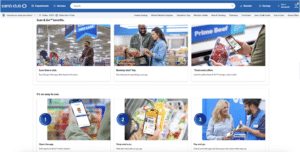
The real opportunity comes from how retailers redeploy both customer attention and associate time once checkout friction disappears. Sam’s Club’s Scan & Go experience allows members to bypass traditional checkout altogether, freeing associates to focus on sampling, education, and high-consideration categories that drive larger baskets and reinforce the value of membership.
4. Upgrade visual merchandising with “localized storytelling” (and measure it like digital)
Retailers are localizing storytelling by store, adapting assortments and narratives based on regional demand, seasonality and store mission.
Digital signage and modular fixtures make it possible to swap stories quickly, test messaging and respond to performance in near real time. Strong storytelling increases conversion without relying on discounts, while localization reduces the “why is this here?” moment that stalls momentum.
In-store media should reinforce a clear narrative: top-rated products, staff picks, complete-the-routine prompts or curated bundles that simplify decision-making. When done well, merchandising becomes a guided experience rather than a wall of options.
Today’s most effective in-store strategies combine data, experience and operational excellence to turn physical retail into a growth driver. From personalization and experiential loops to frictionless checkout and localized storytelling, the opportunity lies in designing stores that earn repeat visits and deeper loyalty.
To hear directly from the retail leaders building these models today, join us at the 2026 CommerceNext Growth Show and take home actionable frameworks you can apply immediately across your stores.